

Newsflash
There will be long-term strategic impact of the war around Iran for Africa. Will the powers in the Middle East concentrate more on their own affairs and will competition for Africa diminish? Or the opposite?
Two points of view:
John McDermott, chief Africa correspondent, writes:
Africa is often an afterthought at times of global crisis. Analysis is usually superficial: higher oil prices are good for oil exporters, such as Angola, and bad for those who import the stuff (South Africa, Kenya, etc.) The latter can expect higher inflation and a knock to economic growth. But the latest crisis is a reminder of how the Gulf has become much more important to Africa over the past decade.
The crisis may cause Gulf countries to temporarily pull back on their activities in Africa. Investment from the United Arab Emirates (UAE), in particular, has surged in recent years, in industries from mining to renewables. Gulf rivalries have also spilled over into the Horn of Africa, including in Sudan. It is reasonable to think that the events of the past week will encourage Gulf leaders to focus more on their home turf for a while. Whenever there is a rise in “risk off” attitudes, whether from American venture capitalists or the Gulf’s sovereign-wealth funds, Africans can be the first to lose out.

Brendon J. Cannon writes on the Conversation:
Gulf states have become increasingly prominent in the squabbles, civil wars and inter-country tensions in the Horn of Africa over the past decade. The countries in this region include Sudan, Ethiopia, Eritrea, Somaliland, Somalia and Djibouti.
As a result, the US-Israel war on Iran matters for the Horn, where Gulf money, Gulf diplomacy and Gulf defence equipment have become part of the operating environment of conflict and rivalry.
This could potentially reshape conflicts, alignments and diplomacy across the Horn of Africa – if the war drags on.
Gulf states like the United Arab Emirates and Qatar – important partners for Ethiopia, Sudan and Somalia – will likely begin focusing inward on their own security. The strategic importance of Horn of Africa states for Saudi Arabia or the UAE will diminish.
For Sudan, the implications of the ongoing conflict in the Gulf could be significant. The two warring parties – the Rapid Support Forces (RSF) and Sudan’s military – have relied heavily on external support.
Both may find themselves suddenly without the largesse and military equipment from Gulf backers, depending on how the Iran war unfolds. This drawback of support could hit the RSF particularly hard as its biggest external backer, the UAE, focuses on its own security. Sudan’s military, however, may continue to benefit from Turkish and Egyptian support.
The Iran war could affect Ethiopia, Eritrea, Somalia and Somaliland in a number of ways.
Firstly, the diplomatic flurry of visits by Gulf leaders to Ethiopia and Somalia may slow. From 2023 to early 2026, Gulf leaders sought to shape political outcomes and advance investment and logistics interests. If this tempo slows, Horn actors will face less patronage and mediation, which may lead either to a pause in tensions or to quick escalation.
Secondly, Israel’s recognition of Somaliland – which Qatar and Saudi Arabia (as well as Egypt and Turkey) have taken a stand against – is now likely to be far from their agendas. Somalia’s long-standing ambition of reabsorbing Somaliland may also find waning external support.
Thirdly, Ethiopia’s interest in gaining access to the Red Sea has been one of the central issues in recent diplomatic manoeuvring in the Horn. With Saudi Arabia, in particular, focused on Iran, Addis Ababa may feel emboldened to formalise access through Somaliland (with which it had signed an agreement in 2024).
What the Iran war changes is not who sets the Horn’s agenda, but the external conditions under which Horn actors pursue it.
Gulf states have been opportunistic precisely because they had the capacity to act in the Horn when the Gulf itself was stable. That capacity may now be constrained.


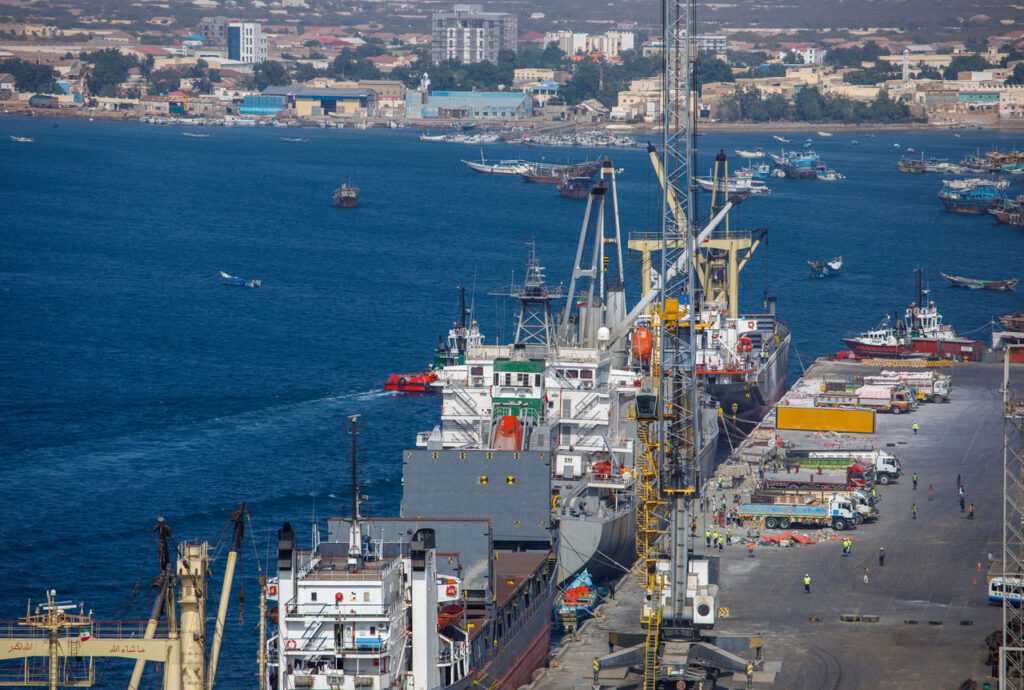
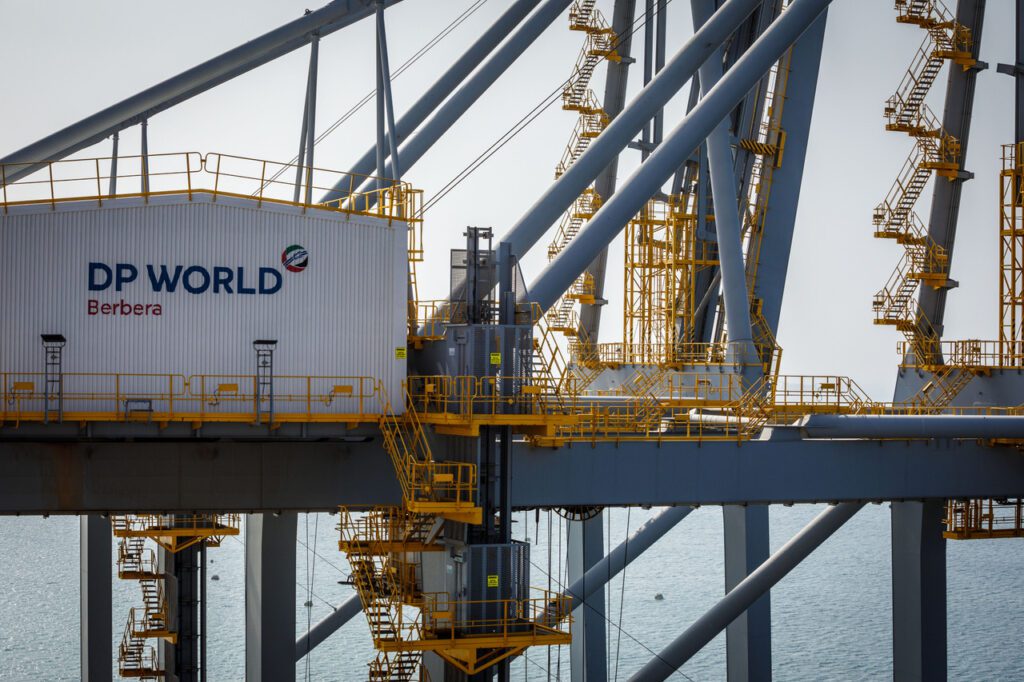
Pictures by Petterik Wiggers of the harbour of Berbera, run by DP World of the UAE.