

Photo’s by Petterik Wiggers
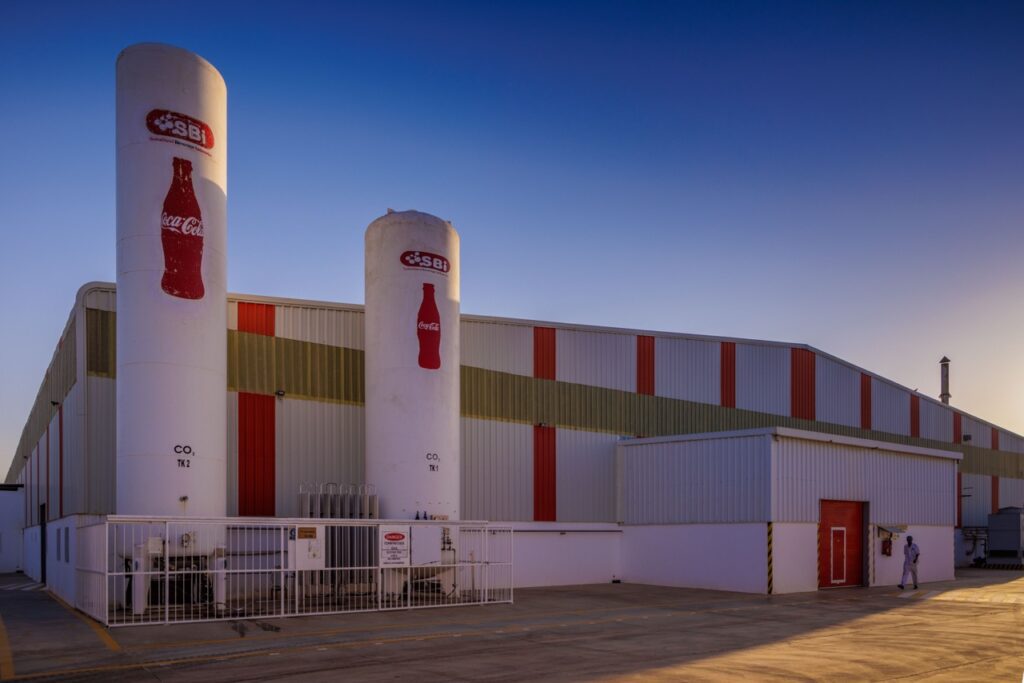
A tortoise strides along one side of the sandy path, while a hare darts past on the other. The sandy track across a deserted savanna leads to the brand-new Coca-Cola factory, an hour’s drive from Hargeisa, the capital of Somaliland. The self-proclaimed state operated in isolation for 35 years. The scene seems like a metaphor for the country’s economy: the journey was slow and involved a bumpy road. And now, the economic outlook is suddenly improving.
The development of Somaliland is unique in Africa. The trading nation does not officially exist, and businessmen therefore have to bend over backwards. “I was born in a shop; every Somalilander has a background in trade,” says Ahmed Osman Guelleh, the owner of the soft drink factory. Without international guarantees or other outside aid, the Somalilanders built the country.

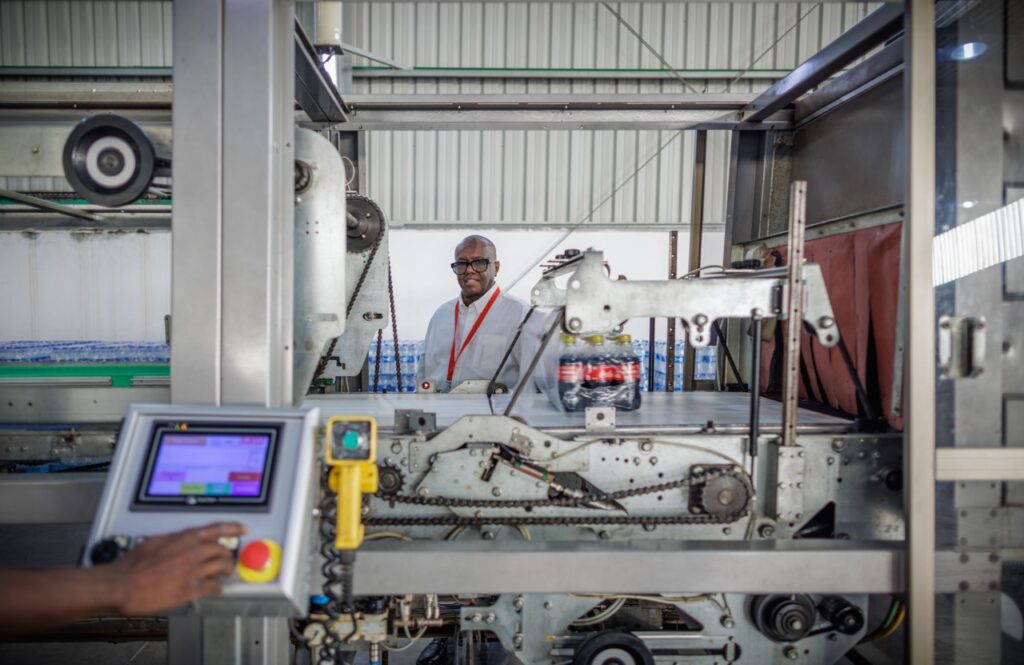
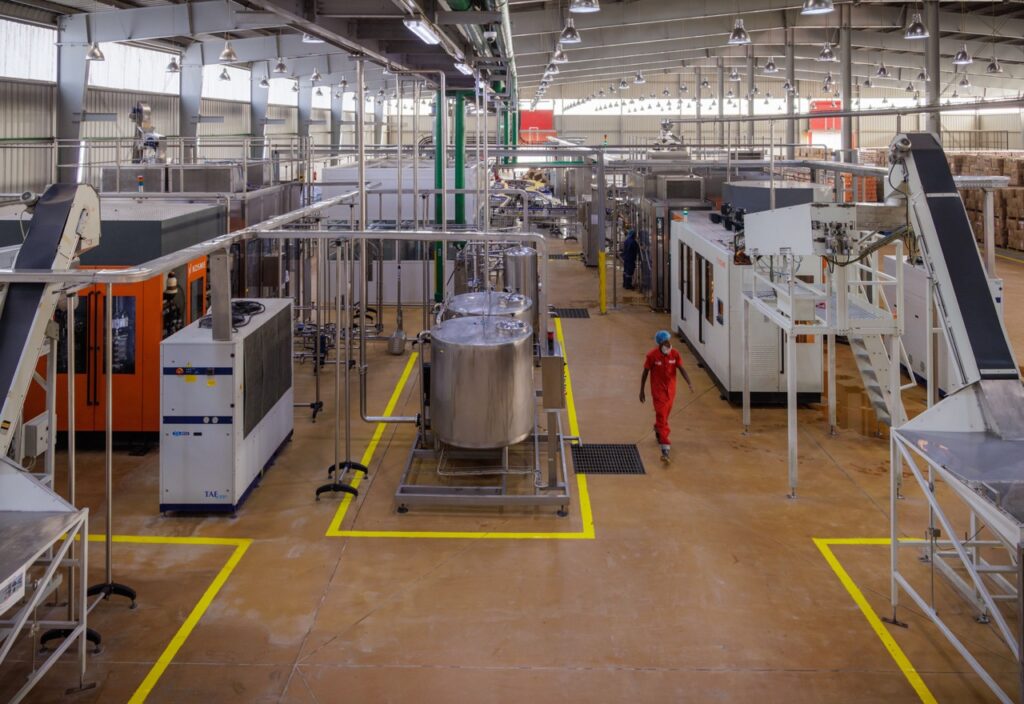
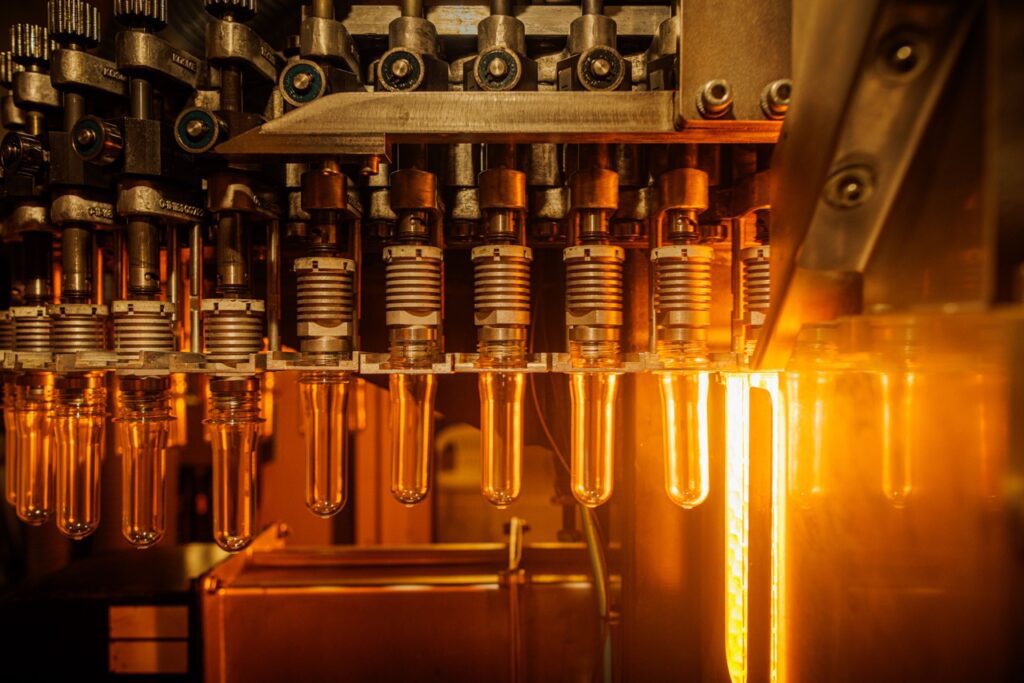
The soft drink plant of AHMED OSMAN GUELLEH, founder of Somaliland Beverage Industries (SBI) producing about 12000 bottles of Fanta per hour.
“We are no longer in survival mode,” says Guelleh, one of the country’s largest industrial investors. He is referring to the recognition of Somaliland by Israel last December, 35 years after the former British protectorate declared independence from the once Italian colony of Somalia.
Guelleh’s ultra-modern factory also tells the story of the obstacles facing a state without official recognition. He has since doubled his initial investment of 15 million dollars by adding fruit and milk drinks—all with money from his family businesses. He built all the infrastructure around the factory himself and has to import nearly everything: the sugar, the fruit, the milk powder, and the labels. “To obtain such materials locally, you need foreign investors, and they didn’t come because we were not recognized.”

After the almost total destruction of Hargeisa in 1988 by the Somali Air Force, a new capital emerged. In the 1990s, private companies financed the dismantling of the rebel movement. Now, well-equipped police officers and soldiers patrol the area, and it is one of the safest cities in the Horn of Africa. Tall buildings dominate the skyline, ranging from telephone companies to luxury hotels, all owned by Somalilanders themselves. Traffic jams clog the streets, and in the expanding suburbs, businessmen are building spacious homes. But, for further development, Somaliland must break out of its isolation.
At the same time, this isolation has generated its own administrative dynamic over the past decades. A social contract emerged in which the government is accountable to the population—not to donors or interest groups. Somaliland is considered politically stable, certainly compared to Somalia, but the country is arid and its more than six million inhabitants are poor. The government has a budget of less than 600 million dollars. A stain on the image is the clan war that the previous administration started in 2023 at the eastern Las Anod, a conflict that has been frozen under the new president.

‘Nomadic democracy’
Changes of power via elections are the norm in Somaliland, the media operate relatively freely, and political debates take place openly. Politicians show themselves receptive to pressure from below and move cautiously so as not to alienate their voters, in constant consultation with their constituencies. Businessman Guelleh calls this way of governing a “nomadic democracy,” referring to the social customs of nomadic Somalis within their clans.
The lack of recognition also brings advantages: Somaliland is not burdened by a debt load. “Because of our isolation, we were not exposed to interference by major financial institutions like the IMF and we did not have to comply with the dictates of foreign donors,” says former Finance Minister Saad Ali Shire.

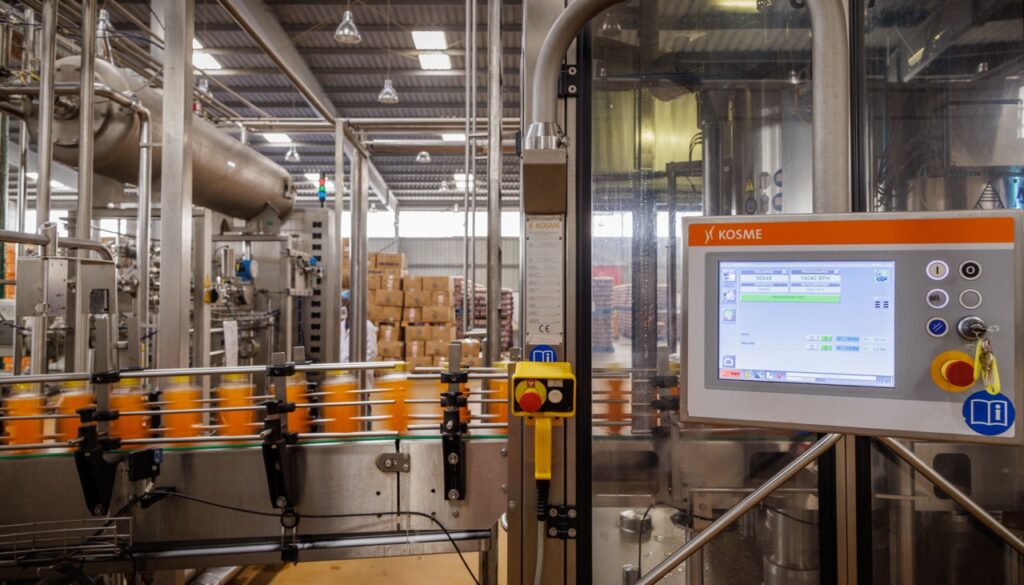
But a trading nation must be able to borrow money. Somaliland is not integrated into the international monetary system; it lacks the legal status to participate in SWIFT, a global banking communication system. Individuals can easily transfer money, but that does not apply to companies wishing to transfer larger amounts. “People know that Somaliland is a functioning state. But there is no insurance, there are no bank guarantees,” says Guelleh during a tour of his bottling plant.
Travel outside Somaliland is only possible with a foreign passport, because Somaliland’s passport is not recognized anywhere. “Some of us drag suitcases full of dollars to Dubai,” explains businessman Abdulaziz Awil, “because there are no banks with international connections here. In Dubai, they quickly look the other way when you arrive with such a load of money. But to take out loans, we travel abroad where banks charge more than 10 percent interest.” The hope now is that Israeli banks will start lending money.

Export of sheep, goats, and camels
The potential for the trading nation lies primarily in the port city of Berbera, with a deep-sea port strategically located on the Red Sea. Along the quays, wooden ships for the export of livestock bob alongside large container ships. Exports of sheep, goats, and camels to the Middle East account for 70 percent of exports.

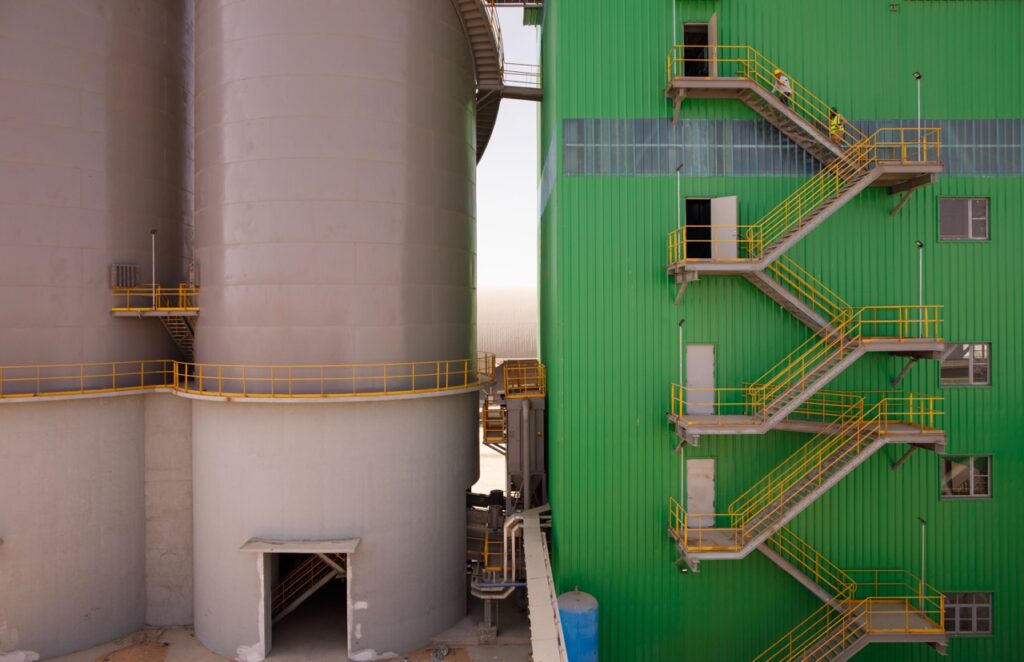
The new cement factory in Berbera.
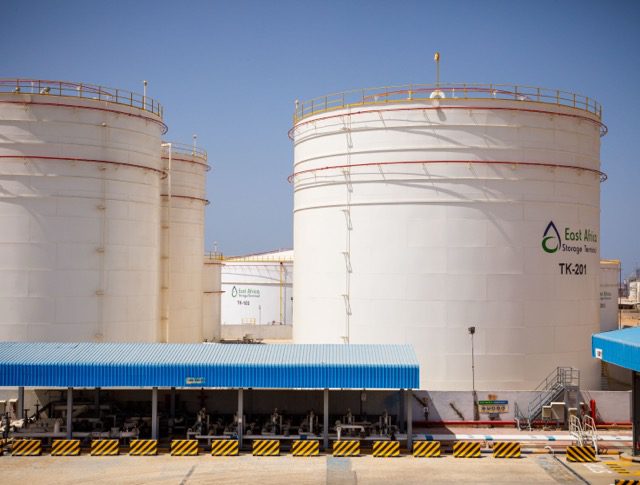
At the industrial estate near Berbera, companies have set aside large tracts of land for expansion in anticipation of the expected boom. A major investor is the company Dahabshiill, which already owns a telecommunications company, engages in money transfers, and owns hotels. This investor built one of the oil terminals in Berbera, of which Ibrahim Mohamed Yusuf is the general manager. “We invested one hundred million dollars in this oil storage facility,” he says on the roof of his office, overlooking the oil tanks connected to a pipeline that allows ships to load and unload offshore. “This complex was built at the time in the expectation that we would be recognized.”
The return on his investment is very low; only 30 percent of the capacity is currently being utilized. “From a capitalist perspective, such an expenditure might seem absurd. But we had to start somewhere,” says Yusuf. “We investors in Somaliland must project confidence; we owe it to our people. And since the recognition by Israel, we are being proven right.”

This article was first published in the Dutch daily newspaper NRC