

By Mohammed Amin
We are still only beginning to grasp what took place in El Fasher. Some put the death toll as high as 60 000, while the fate of 100 000 still inside the city remains unknown. More than 1000 cases of sexual abuse in just one camp were reported.
For nearly three years, I have documented the human toll of Sudan’s war, including the suffering it has caused to my own family. Yet little compares to what I heard last week at a displacement camp in the town of Al Dabbah in northern Sudan.
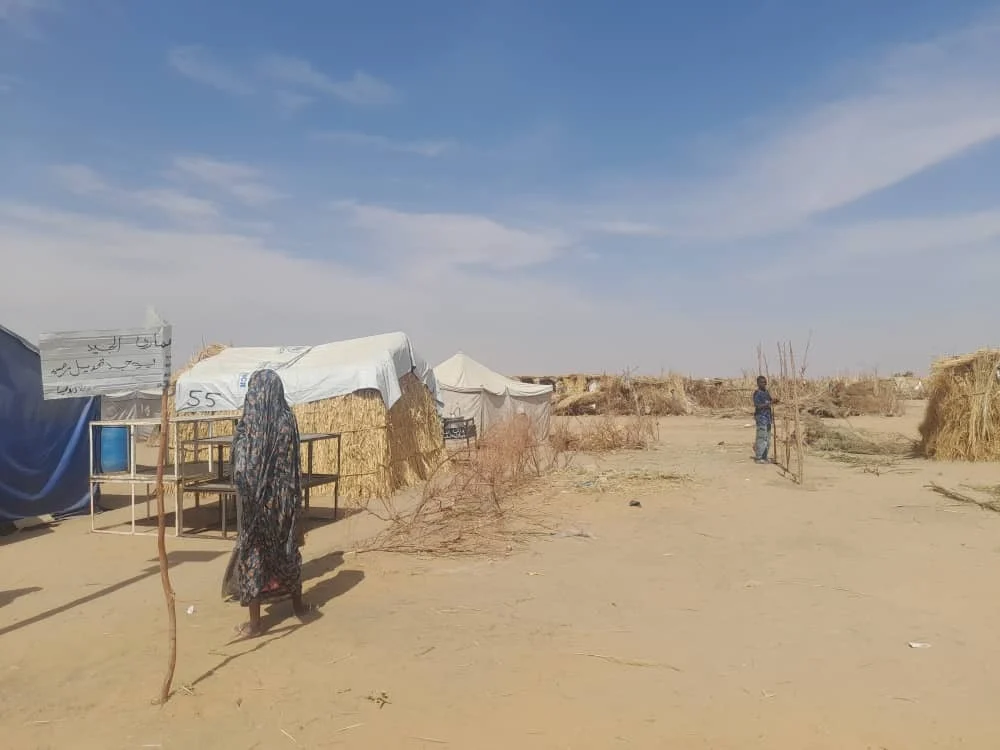
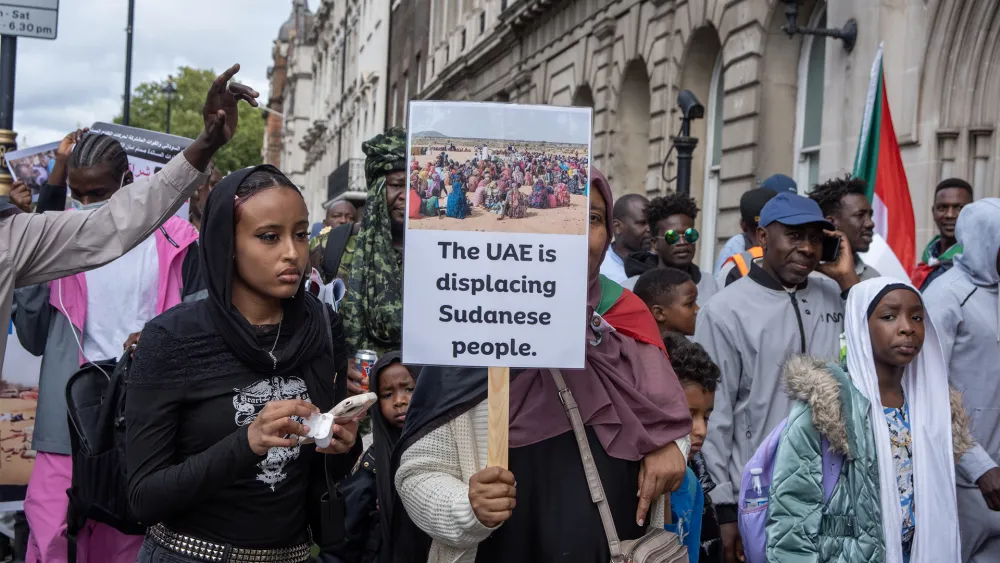
The camp hosts nearly 15,000 people from the western Darfur region who fled attacks by the UAE-backed Rapid Support Forces after the group seized the city of El Fasher on 26 October, killing thousands in one of the war’s worst atrocities yet.
Many accounts have since emerged in the media, but the testimonies I recorded – from the RSF taking blood from fleeing people to committing extensive sexual violence – suggest we are still only beginning to grasp what took place.
“We lost many of our loved ones and relatives,” said an El Fasher resident and university graduate whose name is withheld to protect him. “The world must look at us in a humanitarian way, because we have the right, as human beings, to live in peace.”
Before it fell, El Fasher was the last major city in Darfur not under the control of the RSF, a paramilitary group that worked alongside the national army – the Sudanese Armed Forces (SAF) – until their violent rupture in 2023 triggered a civil war.
For more than 500 days, the group — descended from the Janjaweed militias that carried out massacres in Darfur in the early 2000s — subjected El Fasher to a punishing siege as it sought to dislodge the SAF and allied armed groups.
When its fighters finally took control, many filmed and posted their crimes online, showing civilians being gunned down after being racially abused and accused of collaborating with rival forces.
Subsequent reports of massacres, rapes, and ransom detentions against those trying to flee have sharpened scrutiny of the war — which has produced the world’s largest displacement and hunger crises — and of the RSF’s many abuses, which stretch far beyond Darfur.
Yet the full scale of what happened in El Fasher is still emerging, with each new account from survivors adding to a picture of devastation. Some put the death toll as high as 60,000, while the fate of 100,000 still inside the city remains unknown amid a blackout.
Rape as “a weapon of war”
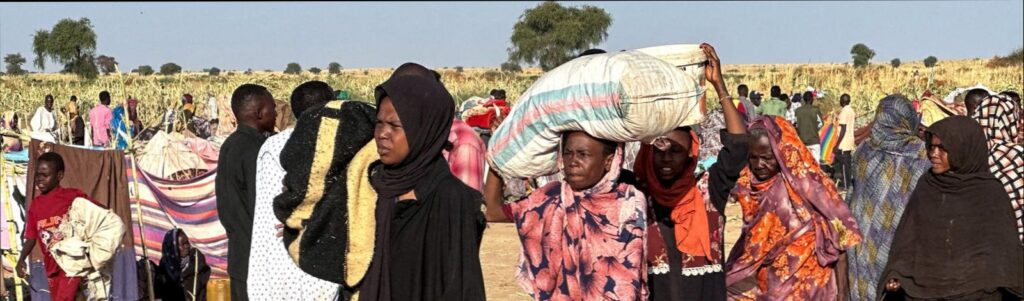
The camp I visited in Al Dabbah, in Northern State, hosts a small share of the roughly 100,000 people who managed to escape in late October, with most instead fleeing to rural areas around the Darfuri city.
People said they crossed a desert to get to Al Dabbah, heading north instead of staying in Darfur to put distance between themselves and the RSF, and because other routes out of El Fasher ran through territory controlled by the rebels.
Wherever I went in the camp, which is called Al Afad, and whoever I spoke to among the rows of tents set across a barren plain, I found stories of loss and pain – of loved ones killed or missing, of rape, of starvation and torture.
I spoke to a rare witness of a widely reported massacre at an El Fasher hospital where RSF fighters are accused of killing more than 460 patients and their companions on 28 October.
The woman, a doctor, said she had witnessed the slaughter before managing to flee. “We tried to save the children and escape, but we failed,” she said. “The RSF besieged the hospital and entered with their guns, shooting randomly.”
The doctor, who had survived numerous RSF shelling attacks during the 18-month siege, said many medics she knew were later detained or disappeared by fighters. Only two, she added, were eventually released after ransoms were paid.
The scale of the sexual violence committed by the RSF was laid bare by Sulima Ishaq, who is from the ministry of social welfare. She told me that her teams have documented over 1,000 cases of sexual abuse in the camp.
By contrast, Ishaq said only 1,800 cases were recorded nationwide by the government prior to the fall of El Fasher, though that number is of course a massive under-count.
Some will question the Al Afad numbers because they come from a SAF-aligned government institution, but Ishaq is a veteran human rights activist who has spent many years documenting violence against women by different parties.
Ishaq said the estimates from Al Afad are “definitely not the whole number and we believe that the number is much higher as the RSF is intentionally using rape as a weapon of war to oppress the local communities in El Fasher”.
A government social worker in Al Afad, who asked not to be named as she was not authorised to speak to the press, said she has documented many rape cases in the camp. Some resulted in pregnancy and sexually transmitted infections.
“Some of the women were raped around the outskirts of El Fasher when the RSF besieged the city, while others were raped after they seized it,” the social worker said. “In both cases, they had no access to medical care and some of them got pregnant.”

Blood theft
Another under-reported and shocking abuse that I documented was RSF soldiers withdrawing blood from the bodies of civilian and military personnel who tried to leave El Fasher.
One man said he was taken by the RSF to a small clinic near Zam Zam displacement camp, just south of El Fasher, where he witnessed what he described as “really brutal” scenes. He said RSF personnel were taking blood from young men.
The man said it was night when he arrived, and that he was placed in a queue and assumed the process would continue in the morning – a delay that gave him time to escape with two of his cousins.
Others described being looted and abused as they fled the city – accounts that echo many other testimonies gathered from reporters over the past two months, but which remain deeply shocking.
A woman who worked as a housekeeper in El Fasher, said she placed her elderly parents and their belongings on a donkey as they fled. RSF fighters stopped them, she said, shoved her parents aside, searched their possessions, and took everything they found.
“They stopped us and treated us badly at the checkpoints, telling us you are slaves, lashing old men, and looting everybody,” she said. “We have also seen some people die on the street. Some people reached safe places and others got lost on the way.”
Another woman who also worked as a housekeeper said escape was often conditional on paying ransom.
“They stopped us and prevented the people from escaping unless they paid a high ransom,” she said. “So, those who don’t have money were forced to stay and sometimes starve to death.”

Local support
Like all states in Sudan, Northern State has received large numbers of displaced people since the conflict began in 2023. However, until recently, few had arrived from Darfur, and no formal displacement camp had been established in the area.
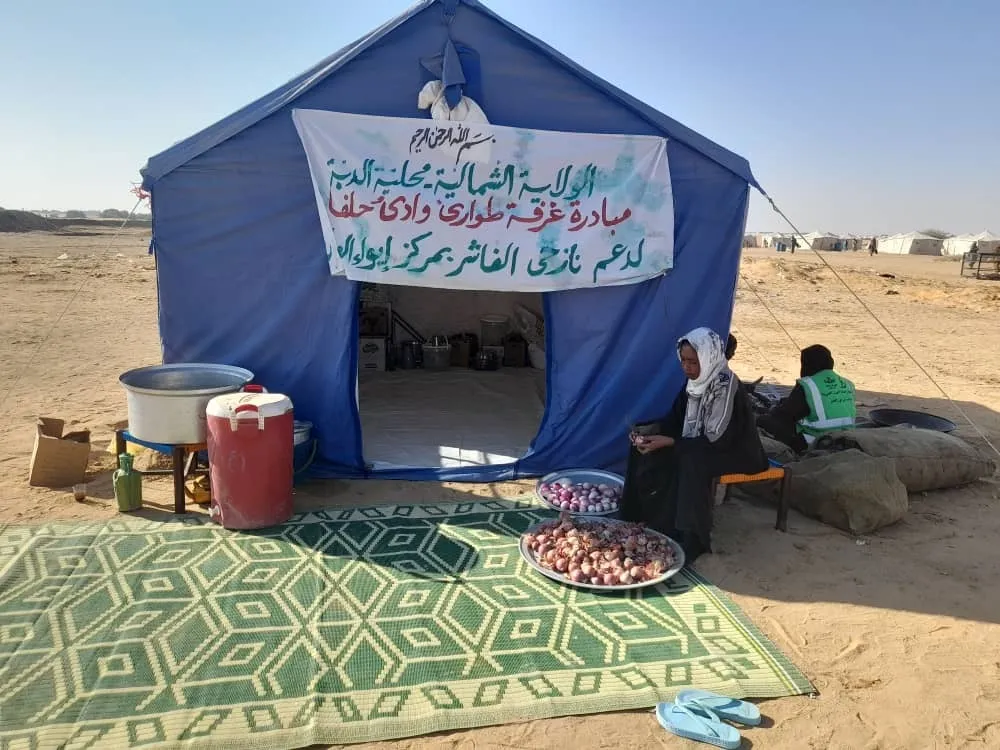
Local residents said they have been shaken by the stories brought by the new arrivals and quickly stepped in to provide support. Every day, people cross the bridge from Al Dabbah to Al Afad, carrying provisions to cook and distribute to families.
Several of the displaced described surviving on animal fodder or tree leaves during the prolonged siege. But some said their health has begun to improve. This was noticeable among some of the children, who are slowly regaining weight after enduring famine.
Still, conditions in the camp remain harsh. There is poor sanitation and few other basic services. Only a limited number of international organisations are currently providing support.
Both displaced people and local residents said they are also gripped by fear that the RSF could push north at any moment, advancing through the desert area that links Darfur to Northern State.
Al Dabbah lies not far from the tri-border area with Libya and Egypt, where the RSF seized territory earlier this year. Local authorities have responded by imposing strict security measures, including a nightly curfew from 6pm to 6am.
“The people are afraid of the RSF threats,” said Mohamed Ismail, a local gold miner. “Some locals have moved from the city to other areas in northern Sudan to be far from any possible battles.”
Yet as some locals contemplate leaving their homes, those displaced from El Fasher say all they can think about is returning to theirs.
“We have seen bad things and have been dying in silence for a long time, but we hope we can go back to our homes soon,” said the university graduate.
“We aren’t comfortable and want to go back home,” added the woman who described the ransom payments. “My message to the world is to stand with El Fasher and kick out the RSF from the city.”

This article was first published by the New Humanitarian