
Photo report and text by Petterik Wiggers
“Of course I would rather live in the city,” says ten-year-old Safa. “There’s always running water there.”
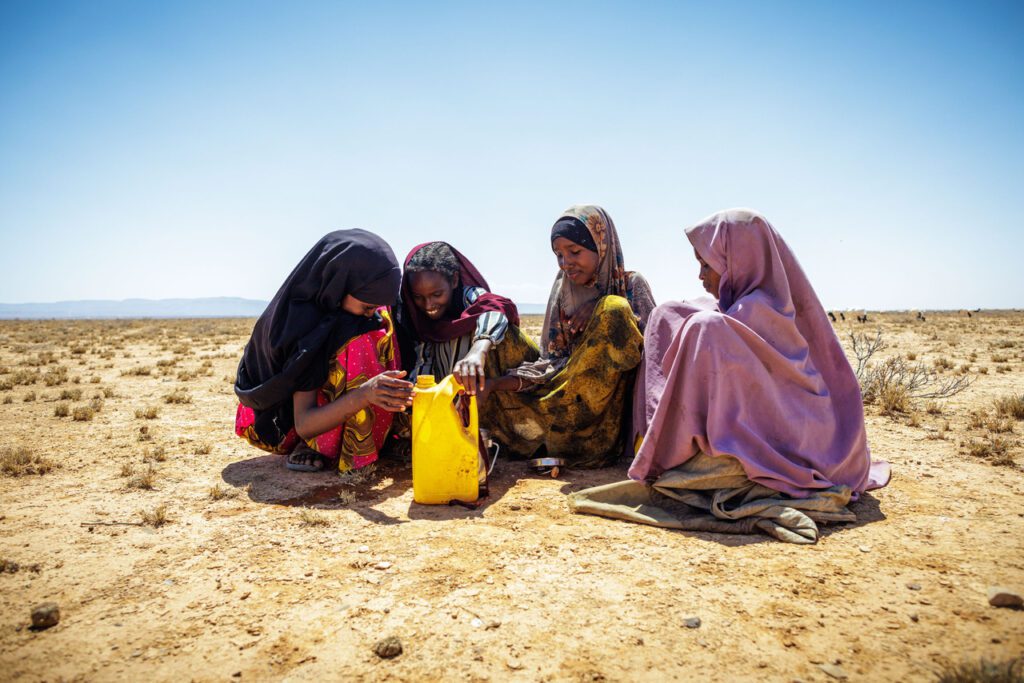
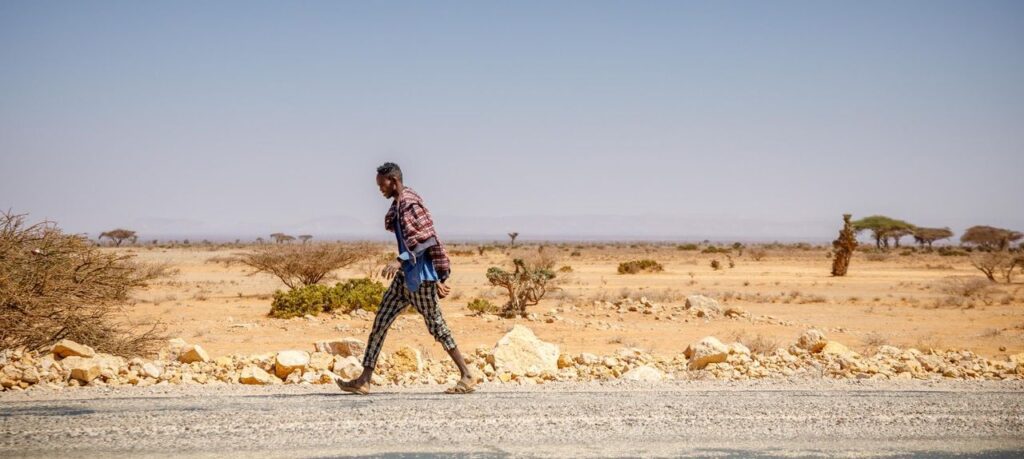
Safa lives with her family near Gar Adag, in Somaliland. Her dusty, hot village has only one street. In good years, it rains twice a year. People then collect the water in large reservoirs made from concrete, called berkads. This water lasts them all year round. But in the last two years, there has been almost no rain. In good years, they are full of rainwater.

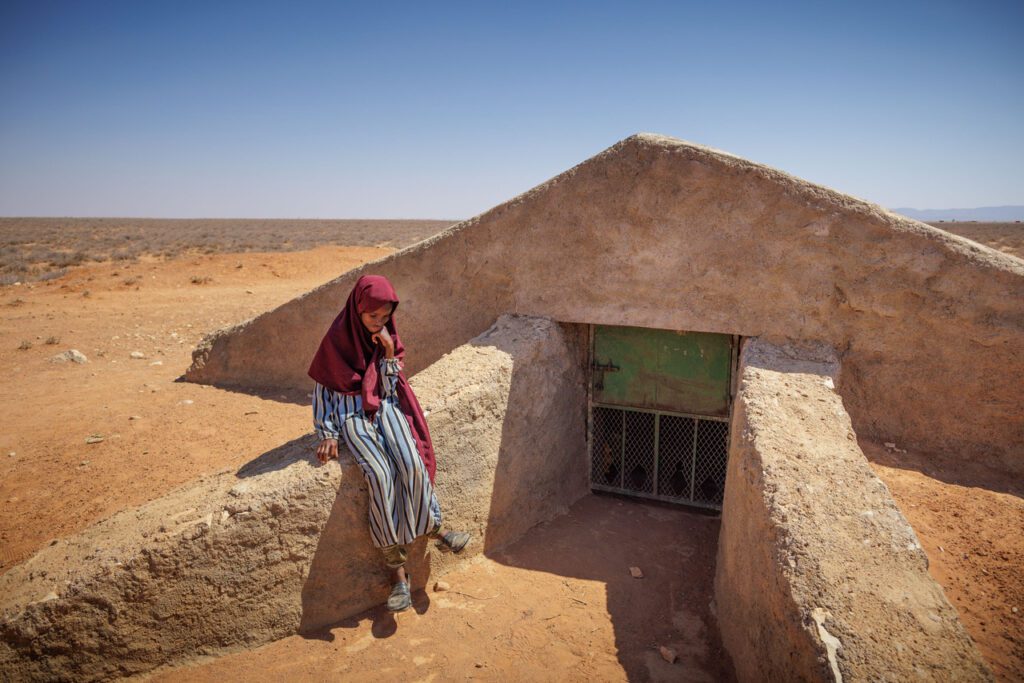
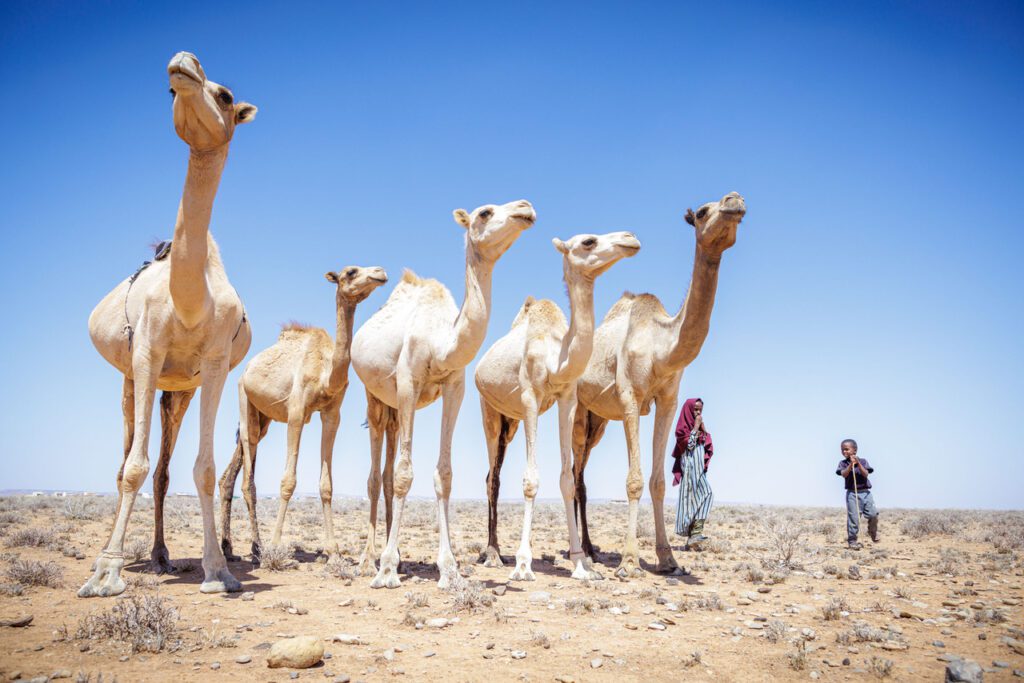
Because of the school holidays for Ramadan, Safa has time to talk, but she is tired. Before sunrise, she walks with her sisters across the dry plains to herd the goats and sheep. “We always hope the animals will find something to eat,” she says. Many goats now are weak. “Goats die sooner than camels,” Safa explains. “Camels have fat in their humps, so they can go longer without eating.” They have fat reserves in their humps and can go longer without water. They also eat thorn bushes that other animals avoid. Camels are important to families like Safa’s. Their milk usually makes up a significant portion of their diet. But during a prolonged drought, even camels produce less and less milk. “Sometimes the milk stops completely,” Safa explains.
Water is the biggest problem. A water truck sometimes comes to the village from far away. But that water is expensive. “A truck filled with costs more than 200 euros”, Safa says. “We share the water with several families, so after a few days it’s gone again.”

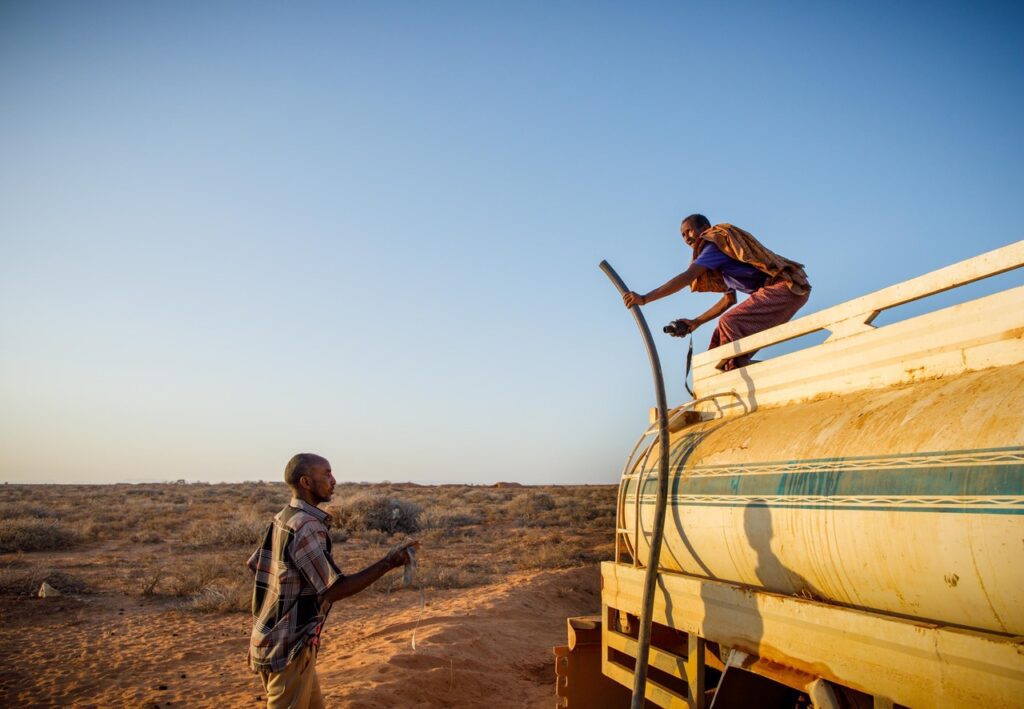
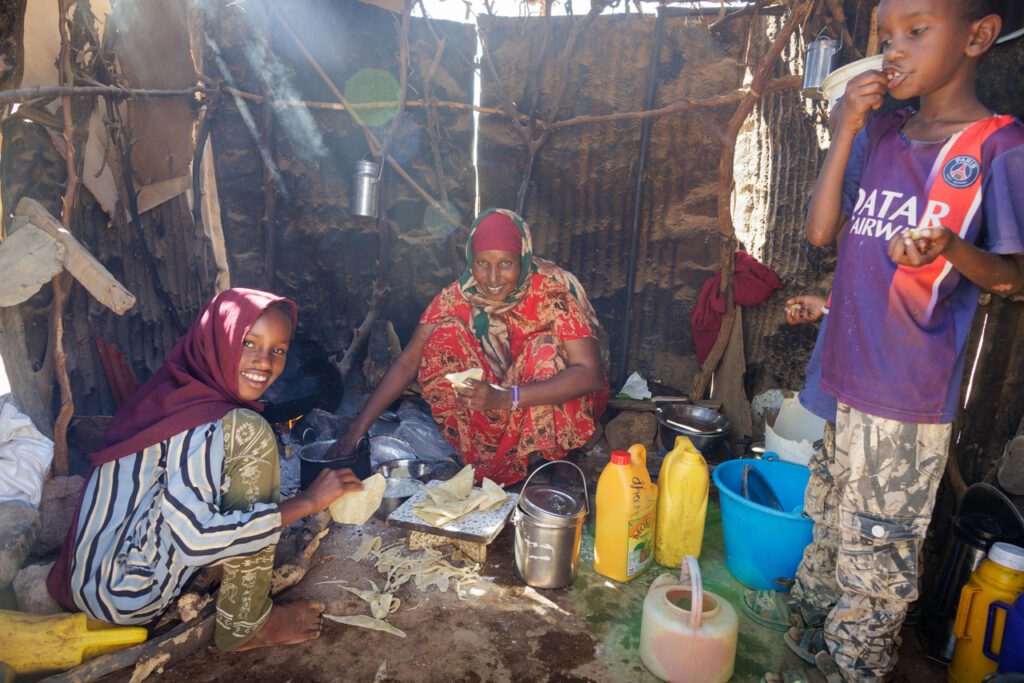
For many families, that amount is almost unaffordable. That’s why Safa’s parents borrow money from relatives living in the city. Sometimes they also receive water from the Somaliland government. In that case, Safa’s family receives ten 20-liter jerrycans. “That should last us for four days.” Two hundred liters of water for ten people. That’s only five liters per person per day, Safa quickly calculates. They use the water only for drinking and cooking. They hardly ever wash anymore.
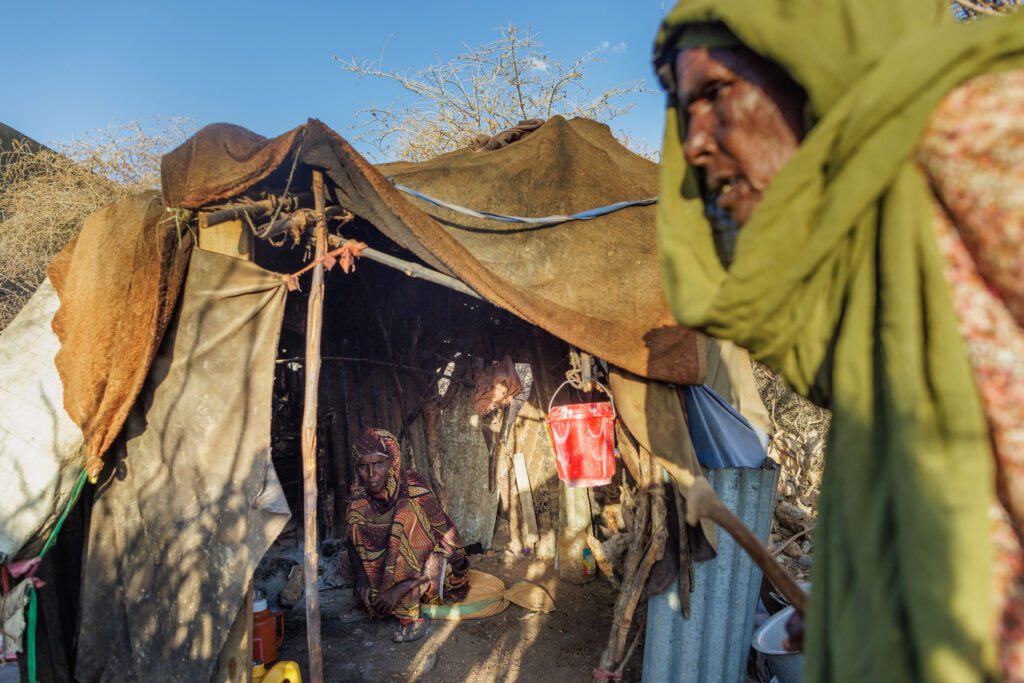
Meanwhile, the animals drink the cheap but salty water from a well. Whenever they see a truck with drinking water, they get restless, but that water is only for human consumption. Safa’s family used to eat three times a day. “Now we have a meal twice, sometimes only once,” she says. Meat is almost never on the table anymore. “We mainly eat rice and dates.”
Still, Sofa keeps her spirits up. After Eid al-Fitr celebrations, she goes back to school and at the same time will help her family whenever she can. And, like everyone else in the village, she looks up at the sky every day. “We wait for the rain,” says Safa. “When it comes, the grass grows and our animals become strong again.”